
The fastest-growing mobile apps in the world didn’t leave word-of-mouth to chance. Companies like Uber, Dropbox, and Robinhood meticulously engineered systems where their users became their primary, unpaid acquisition channel. By deconstructing the best mobile app referral program examples, we can uncover the psychological triggers that turn happy customers into a viral growth engine.
I am Samuel, Co-Founder of Tapp. In this guide, I am going to tear down 15 legendary referral programs. However, we won’t just look at their marketing copy. We will analyze why they work from a psychological perspective, and more importantly, we will discuss the underlying technical infrastructure required to replicate these mechanics in your own app without hiring a team of 50 engineers.
Fintech & Investing App Referral Examples
Fintech apps leverage tangible, monetary rewards to drive high-intent action. Because their Lifetime Value (LTV) is massive, they can afford aggressive Customer Acquisition Costs (CAC).
1. The Robinhood Referral Program: Gamified Rewards
- The Offer: Invite a friend, and you both get a free stock. The stock is chosen randomly, with a small chance of it being a high-value company like Apple.
- Why It Works (The Psychology): This is a masterclass in variable rewards. The “lottery” aspect creates a sense of excitement that a fixed $5 cash bonus cannot match. It gamifies the referral process.
- The Infrastructure Requirement: To execute this, Robinhood had to build a custom webhook system that fires an API call to their trading engine the exact moment a referred user’s KYC (Know Your Customer) is approved.
2. The Wealthfront Referral Program: Mutual Benefit
- The Offer: Invite a friend, and you both get your assets managed for free up to $5,000.
- Why It Works (The Psychology): The reward is tied directly to the core value of the product. It’s a dual-sided offer that feels like a genuine win-win, rather than a cheap payout.
3. The Acorns Referral Program: Consistent Bounties
- The Offer: “Get $5, Give $5.” Acorns frequently runs promotions where they offer a simple, dual-sided cash bonus.
- Why It Works: Clarity converts. The user instantly understands the benefit to themselves and their friend.
Travel & Lifestyle App Referral Examples
These apps use credits to fuel a cycle of usage and retention.
4. The Airbnb Referral Program: The Profitable Trip
- The Offer: Give a friend $40 off their first booking. After they complete their trip, you get a $20 travel credit.
- Why It Works (The Psychology): By tying the referrer’s reward to a completed trip rather than a sign-up, Airbnb ensures they only pay out after generating revenue, guaranteeing a positive ROI on the program.
5. The Uber Referral Program: The Original Growth Hack
- The Offer: “Give a free ride, Get a free ride.”
- Why It Works (The Psychology): This legendary loop removed all social friction. The sender offers their friend something of immediate, tangible value at no cost to themselves.
6. The ClassPass Referral Program: Shared Experiences
- The Offer: Invite friends with a free trial. When they sign up, you get a bonus class credit.
- Why It Works: It ties the referral to a real-world social experience (working out together), increasing retention for both users.
SaaS & Productivity App Referral Examples
For B2B or productivity apps, the best rewards offer premium tier access.
7. The Dropbox Referral Program: The Gold Standard
- The Offer: Invite a friend, and if they sign up, both you and your friend get 500 MB of extra storage space.
- Why It Works: This is the most famous mobile app referral program example in history. The reward (storage) costs Dropbox pennies, but has massive perceived value to the user.
8. The Trello Referral Program: Premium Access
- The Offer: Refer a colleague to Trello, get a free month of Trello Gold.
- Why It Works: This serves as an extended free trial. The user gets hooked on the premium features and eventually pays to keep them.
- The Infrastructure Requirement: This requires deep integration with a payment processor (like Stripe) to automatically apply a 100% discount to the user’s next billing cycle without manual finance intervention.
9. The Evernote Referral Program: Points System
- The Offer: Earn points for every referral. Points can be redeemed for Evernote Premium.
- Why It Works: The points system gamifies the process and encourages repeat referrals over time.
E-commerce & Food Delivery App Referral Examples
10. The DoorDash Referral Program: Tiered Credits
- The Offer: Refer a friend and they get a discount on their first few orders. You get a credit after their first order is complete.
- Why It Works: Spreading the new user’s reward across multiple orders encourages them to form a habit, dramatically increasing their LTV.
11. The Rakuten Referral Program: Big Cash Bonuses
- The Offer: “Give $30, Get $30.”
- Why It Works: The sheer value of the cash reward is an undeniable motivator.
12. The Instacart Referral Program: Simple Credits
- The Offer: “Give $10, Get $10.”
- Why It Works: A practical, highly relevant discount for a weekly recurring expense (groceries).
More Top App Referral Program Examples
13. The Tesla Referral Program: Exclusive Rewards
- The Offer: Rewards range from free Supercharging miles to exclusive prizes like new wheels or a chance to win a free car.
- Why It Works: It creates a sense of extreme exclusivity and status, turning referrers into cult-like brand evangelists.
14. The Morning Brew Referral Program: Tiered Swag
- The Offer: Refer friends to unlock exclusive merchandise (mugs, t-shirts).
- Why It Works: The swag creates a sense of belonging to a club and generates offline marketing impressions.
15. The World of Warcraft Referral Program: In-Game Perks
- The Offer: Refer a friend and get exclusive in-game mounts and free game time.
- Why It Works: The rewards provide a clear status symbol to other players within the digital ecosystem.
The Common Denominator: Infrastructure Over Ideas
These diverse mobile app referral program examples have one critical thing in common: they were built on a foundation of perfect, custom-built attribution infrastructure. Uber had to hire an entire engineering team to ensure referral links survived the iOS App Store. Trello had to build custom billing logic to automate their Stripe discounts.
If the tracking fails and a user doesn’t get their free ride or their extra storage, you have permanently broken that user’s trust.
Most apps cannot afford to hire 20 engineers to build an attribution engine. That is why we built Tapp. Tapp provides the “infrastructure in a box” required to execute these legendary growth loops. Our deferred deep linking ensures every referral is tracked perfectly through the App Store, and our Stripe integration automates the payouts globally.
Ready to Build Your Growth Engine?
By studying these teardowns, you can borrow proven psychological tactics. But to actually execute them, you need the right technical foundation.
Stop trying to hack together web-first tools to build a mobile-native referral program.
Schedule a Growth Strategy Call with me today to discuss your infrastructure.
To learn how to implement these strategies step-by-step, read my Complete Playbook for Mobile App Referral Marketing.
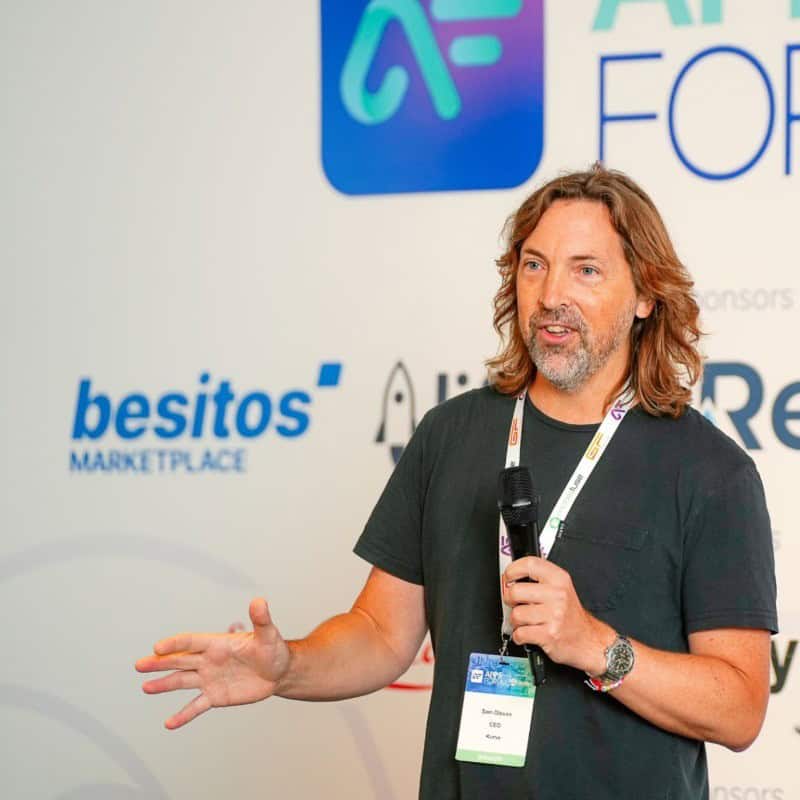
Samuel Olsson is a Co-founder at Tapp and the Managing Director at Kurve, a leading mobile app marketing agency. With over 15 years of experience driving growth for top B2C brands like Canon and Sweatcoin, the #1 health and fitness app in over 119 countries, Samuel has a proven track record of scaling apps through creative, data-driven strategies. He is passionate about building the foundational technology that empowers app developers to unlock sustainable, performance-based growth.